

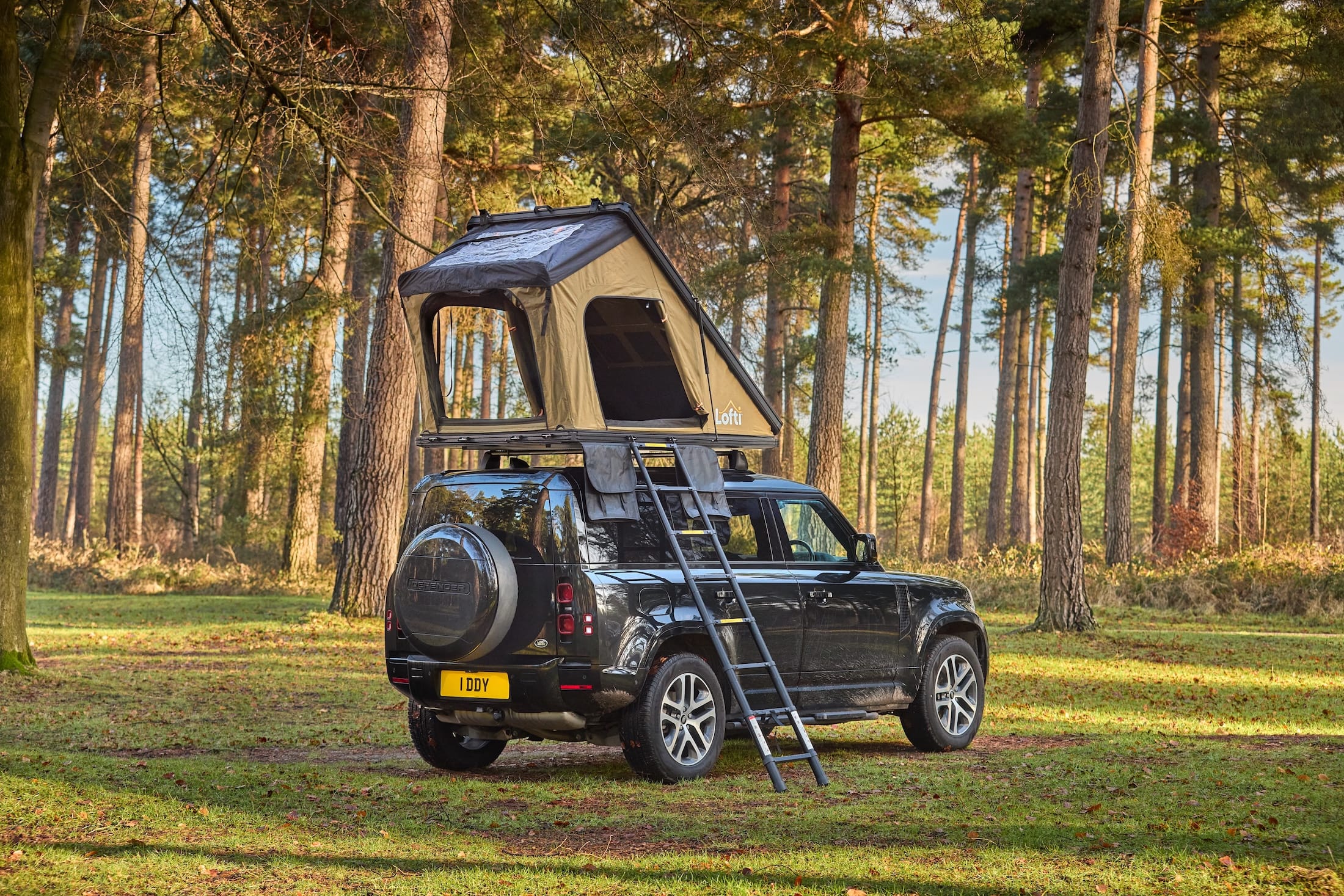
You've done it. Seats down, boot rearranged, sleeping bag wedged between the cool box and a bag you were supposed to unpack three trips ago.
It works. Until it doesn't.
Car sleeping is cheap and it's already sitting on your driveway. But it turns your car into a bedroom, a wardrobe, a kitchen cupboard, and a getaway vehicle, all at once. Something always has to lose.
This is the honest version of the rooftop tent vs sleeping in car debate — not the "buy this now" version. We've gone through what UK car campers and overlanders actually say about both, on forums like r/carcamping and r/overlanding, not just what tent brands say about themselves.
Here's what we found, including the bits that don't flatter rooftop tents.
The Real Problem With Sleeping in Your Car
Car camping forums aren't full of people asking "should I sleep in my car?" They're asking something more specific: will I actually fit, will I be too cold, and should I have bought a bigger car.
On r/carcamping, you'll find posts from taller campers weighing up whether a Jeep Wrangler has enough room for a few nights, and others upgrading to something like a Mazda CX-5 purely for headroom and comfort. The car becomes the whole problem to solve, before you've even left the driveway.
That's the trade-off nobody puts on the tin. Sleeping in your car means your bed, your boot, and your storage all fight for the same square metres. A rooftop tent moves the bed out of that equation completely — the load space stays a load space, and the sleeping platform sits above the vehicle instead of inside it.
Setup: From Faff to Under a Minute
Traditional camping means poles, pegs, a groundsheet, and usually one part that's gone missing since last time. Car sleeping skips that, but only by turning the packing and unpacking into a nightly routine of its own.
Rooftop tents have mostly solved this. Depending on the model, pitch times across the UK market now run from around 30 seconds to five minutes, and some brands promote 60-second setup as standard.
Lofti's range sits at the fast end of that. Betty opens in 30 seconds — gas struts do the work, so there's no faffing with poles at 10pm in a dark car park. If your roof load is tighter, Bertha takes about five minutes to fold out by hand, but it weighs 38kg, which is why it fits on more cars than anything else in the range. Maggie's twin flysheets take 2–3 minutes to deploy. Millie, our slimmest tent, is up and ready in under 60 seconds.
None of that matters if you're only camping once. It matters a lot if you're doing it every other weekend.

Comfort: A Proper Mattress vs an Improvised One
Car camping mattresses are usually a compromise — an inflatable pad, folded seats, or a plywood platform someone built on a Sunday. UK rooftop tent brands increasingly build the mattress in, which removes that problem entirely.
Betty's mattress is 202cm x 145cm — bigger than a standard UK double. Bertha's is 206cm x 140cm, also bigger than a double, and it's the tent with the most ventilation in the range: eight windows and two skylights. Maggie and Millie sleep two adults on a more compact, activity-focused footprint, trading mattress width for a slimmer profile and, on Millie, the only roof rack rated to carry gear on top.
Nothing needs inflating. Nothing needs unrolling. You open the tent and the bed is already there.

Ventilation and Condensation: The Bit Car Sleepers Solve With Duct Tape
Ask around r/carcamping and you'll find a lot of DIY ventilation panels, cracked windows, and fans wired up for hot nights. Cars are built to be sealed. That's brilliant for driving and less brilliant for airflow at 3am in July.
A rooftop tent is built as a tent first — fabric walls, windows, and vents designed for airflow rather than retrofitted for it. Millie goes a step further with a dual-layer condensation-reducing inner lining. It's a small detail, but it's the difference between waking up dry and waking up in your own personal rain shower.
Off the Ground, Out of the Weather
Ground conditions matter more than people admit — wet grass, uneven pitches, and the occasional insect welcoming committee. Sleeping in the car avoids the ground problem but reintroduces the space problem. A rooftop tent avoids both.
Every tent in the Lofti range carries a Grade 3.5 waterproof rating, UV50+ protection, and a Wind Rating of Level 8 (46mph) — proper British-weather specification, not fair-weather-only kit.

The Honest Downsides (Because We're Not Going to Pretend There Aren't Any)
A rooftop tent isn't automatically the right call for everyone. Here's where car sleeping, or another setup entirely, might actually win.
Getting up in the night. This is the big one. Threads on r/overlanding regularly raise the same issue: climbing a ladder for a night-time bathroom trip gets old fast, especially for older campers or anyone who wakes up more than once. If that's you, a car bed or ground tent may genuinely suit you better.
Families. Rooftop tents work well for couples and small groups. Large families run into roof load and space limits fast, and that's a real constraint, not a sales objection to argue past. Betty and Bertha can sleep a third person, but that third sleeper should be a child — Lofti isn't a big-family camping brand, and we'd rather say that than oversell it.
Price. New rooftop tents cost real money, and plenty of car campers understandably balk at the sticker price before finding a used option instead. It's a fair objection. Lofti's range starts at £1,495 for Bertha — still a considered purchase, but cheaper than most people expect, and backed by up to five years of warranty coverage. Compare it to a campervan or a summer of hotels, not to a car you already own outright.
Hype fatigue. A lot of overlanding gear is sold on lifestyle rather than function, and Reddit's overlanding communities are openly sceptical of that. Fair enough. The strongest argument for a rooftop tent isn't how it looks on a roof rack. It's setup time, mattress size, and whether your car still works as a car once it's fitted.

Which Lofti Tent Actually Fits How You Camp
Every tent needs 91cm minimum roof bar spacing and an 80kg minimum dynamic roof bar rating, so check your vehicle handbook before anything else.
Bertha — £1,495, 38kg, around 5 minutes to pitch. The lightest tent in the range, and the one that fits the widest range of vehicles. If your roof load is the limiting factor, or you just want to start simple, Bertha isn't the budget option — it's the sensible one.
Betty — £2,195, 67kg, 30 seconds to pitch. The fastest setup and the biggest mattress in the range, with blackout fabric built in. Made for people who want comfort without a project attached to it.
Maggie — £1,995, 69kg, 2–3 minutes to pitch. Twin side flysheets create covered outdoor space when you're pitched — genuinely useful on a multi-stop road trip or a wet morning coffee.
Millie — £2,195, 61kg, under 60 seconds to pitch. The slimmest closed profile in the range, an expandable rear section, and the only Lofti tent that can carry gear on the roof. Built for people who camp near the activity, not just near the car park.
Not sure which one? Find Your Girl.

Rooftop Tent vs Sleeping in Your Car: Frequently Asked Questions
Is a rooftop tent actually better than sleeping in your car? For repeatable, comfortable camping, generally yes — it separates your bed from your boot, so the car stays usable and the sleep improves. For one-off emergency stops or stealth camping, sleeping in the car still has its place.
Are rooftop tents any good in British weather? The Lofti range is built for it — Grade 3.5 waterproofing, UV50+ protection, and a Wind Rating of Level 8 (46mph) across every tent.
What about getting up in the night? It's the most legitimate objection to rooftop tents. Ladder access won't suit everyone, particularly if you're up more than once a night. Worth thinking about honestly before you buy.
Do rooftop tents work for families? For couples and small families, yes. Betty and Bertha can sleep a third person, best suited to a child. For larger families, a ground tent or trailer setup will likely serve you better.
How much does a decent rooftop tent cost in the UK? Lofti's range runs from £1,495 (Bertha) to £2,195 (Betty and Millie), with Maggie at £1,995. All prices include VAT and UK mainland delivery, with up to five years of warranty coverage.
The Honest Conclusion
Sleeping in your car is cheap, it's stealthy, and for the odd night, it's genuinely fine. But if you're doing this regularly, the car keeps having to be three things at once — bedroom, boot, and getaway vehicle — and something always loses.
A rooftop tent solves that one problem properly: your bed goes on the roof, your kit stays in the car, and camp is ready in the time it takes to park.
It's not for everyone. Ladder-averse night owls, large families, and anyone chasing the cheapest possible option might be better off elsewhere. But for couples, small families, and solo travellers who want to stop rearranging the boot every time they go somewhere nice — it's hard to beat.
Choose Your Lofti. Shop Now

Share: